Perth and Kinross, Alba / Scotland, United Kingdom
Bothel and Threapland, Sunderland, Blindcrake, Cumberland, England, CA7 2JN, United Kingdom
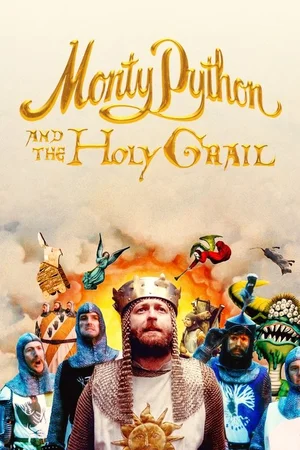
The Pythons set out to make an epic Arthurian romance and had the budget of a school play – which is why King Arthur has no horse (just a man clapping coconuts) and why nearly every mighty castle in the film is the same Scottish castle shot from a different angle. Necessity, it turns out, is the mother of comedy.
Where was Monty Python and the Holy Grail filmed?
The film was shot almost entirely in Scotland – Doune Castle, Castle Stalker, and the Highland glens around Glen Coe and Killin – with a single English castle exterior (Bodiam) and the Black Knight fight in Epping Forest.
Every Holy Grail location, explained
1
Doune Castle – basically every castle
Doune Castle in Stirling plays Camelot, Swamp Castle, the Castle Anthrax and more – because after several grand castles pulled out, the film simply shot Doune from every angle it could. It now runs happily Python-themed tours, coconuts included.
2
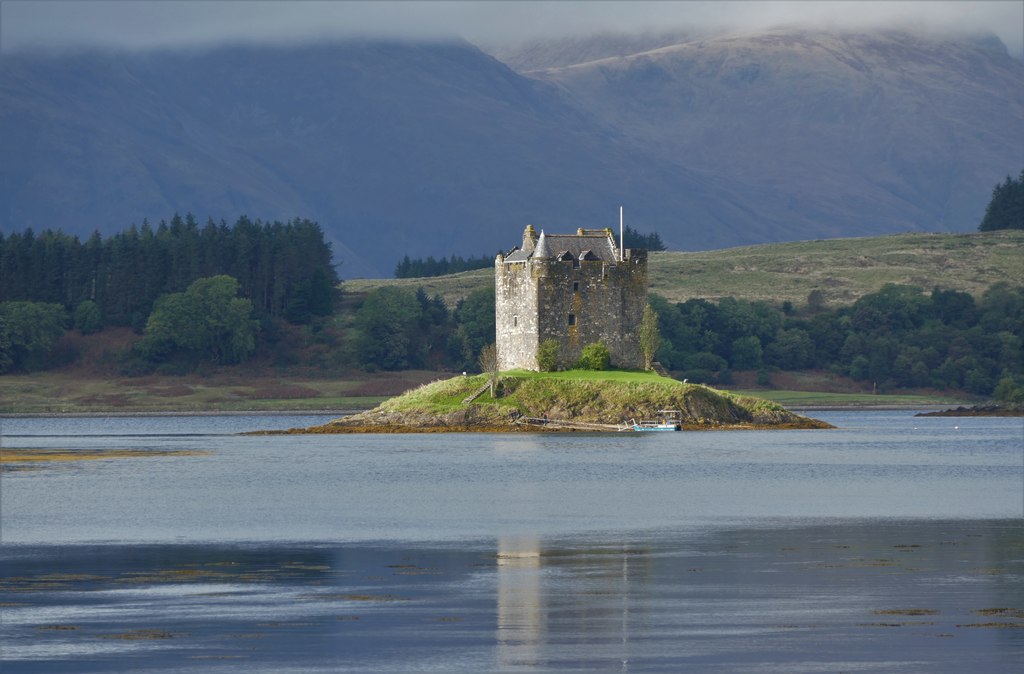
Castle Stalker – the Castle of Aaaargh
The final “Castle of Aaaargh” is Castle Stalker, a tiny tower on an islet in Loch Laich near Appin – one of the most photographed castles in Scotland.
3
Glen Coe and the Bridge of Death
The Bridge of Death and much of the questing landscape use the dramatic Highland scenery around Glen Coe (the A82) and Killin.
4
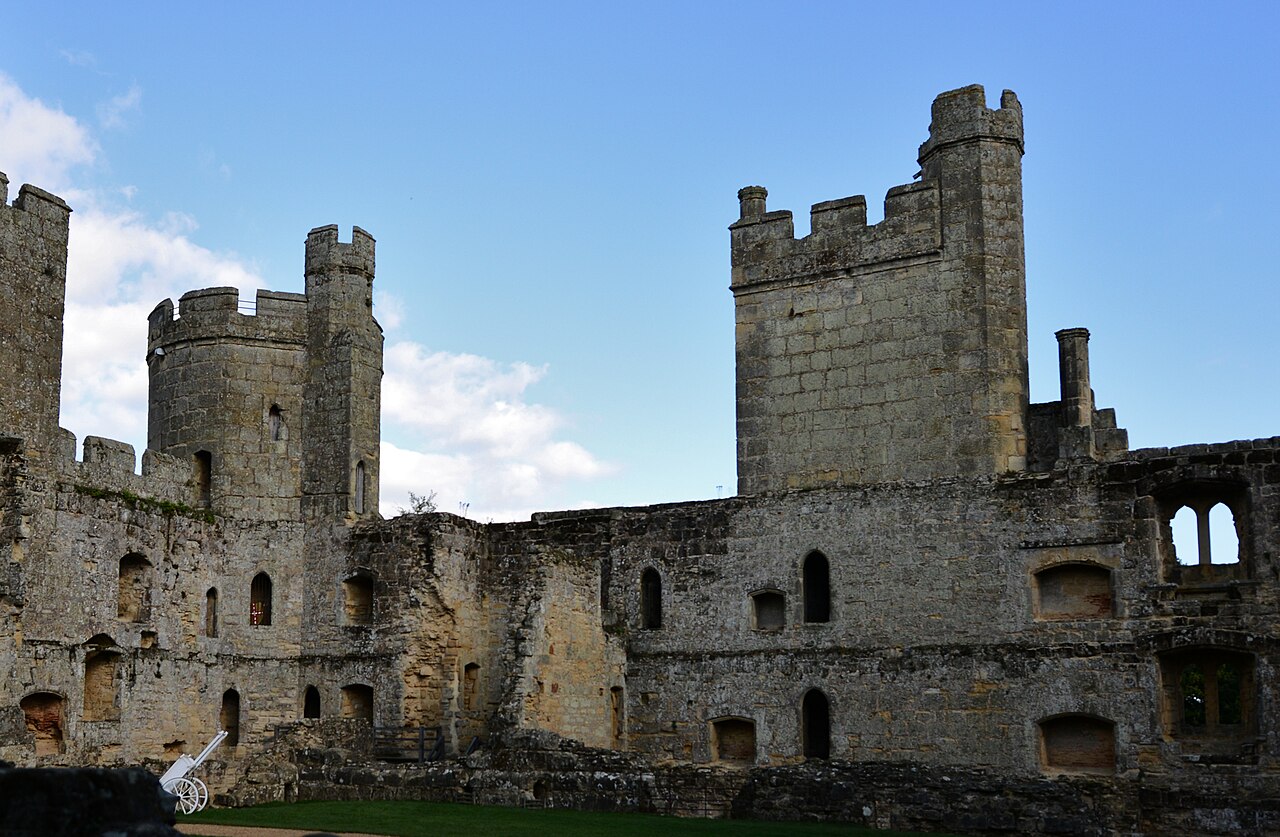
Bodiam Castle and Epping Forest, England
The one moment of England: a single exterior of the taunting French soldiers uses Bodiam Castle in East Sussex, while the Black Knight’s “’tis but a scratch” duel was shot in Epping Forest.
Planning a visit
Doune Castle in Stirling is the essential stop – its audio tour (voiced by Terry Jones) leans into the film, and yes, you can clap coconuts. Castle Stalker is viewable from the Appin shore and Glen Coe is some of Britain’s finest Highland scenery.
Holy Grail Fun Facts
1
No horses - just coconuts The production couldn’t afford horses, so the knights mime riding while clapping coconut halves – a gag that became the film’s signature.
2
One castle plays them all After other castles refused, Doune Castle in Scotland stood in for Camelot, Swamp Castle, Castle Anthrax and most others – shot from different angles.
3
Doune leans into it Doune Castle’s official audio guide is narrated by Python Terry Jones, and the gift shop sells coconuts.
4
They ran out of money for an ending The abrupt “arrested by modern police” finale was partly a way to end a film that had run out of budget for a proper battle.
5
Led Zeppelin helped fund it The film was financed partly by rock bands including Led Zeppelin and Pink Floyd, as a tax-friendly investment.
Frequently Asked Questions
Which castle is used the most?
Doune Castle in Stirling, which plays Camelot and most of the other castles, shot from different angles.
Can you visit Doune Castle?
Yes – it’s open to visitors, with a Python-themed audio tour narrated by Terry Jones.
What is the Castle of Aaaargh?
It’s Castle Stalker, a small tower on an islet near Appin in the Scottish Highlands.
Why do the knights use coconuts?
The production couldn’t afford horses, so the coconut-clapping gag was born of necessity – and became iconic.