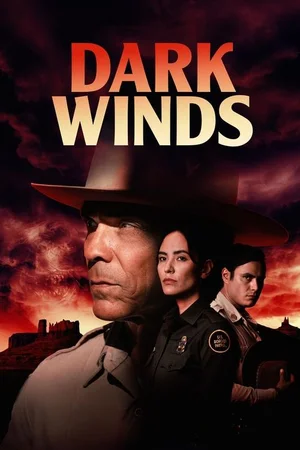
Dark Winds looks the way it does for one simple reason: it’s actually there. The Leaphorn and Chee mysteries are set on the Navajo Nation in the 1970s, and the series films across the real Navajo Nation and northern New Mexico – including Monument Valley, and a studio owned by a Native American pueblo.
Here’s where the show is made, from Santa Fe soundstages to the most photographed valley in the American West.
Where was Dark Winds filmed?
Production is based in Santa Fe, New Mexico, with interiors shot at Camel Rock Studios on Tesuque Pueblo land just north of the city – the first film studio in the United States owned by a Native American tribe, which is about as fitting a home as this show could have. The high-desert country around Santa Fe, Española and Tesuque provides much of the week-to-week scenery.
For the big landscapes, the show goes to the source: the Navajo Nation itself, across the Arizona side – Monument Valley, Kayenta, Window Rock, Tuba City, Shiprock country and the Chinle area near Canyon de Chelly. That’s the land the Tony Hillerman novels describe, doubling for itself.
Every Dark Winds location, explained
Camel Rock Studios, Tesuque Pueblo – the stages
The police station, homes and other interiors live at Camel Rock Studios, built by the Pueblo of Tesuque in a former casino north of Santa Fe. US 84/285 through Tesuque – the highway you see in driving shots – is right outside the door.
Monument Valley, Arizona/Utah
The series’ signature vistas – the buttes on the horizon behind Leaphorn’s truck – are Monument Valley Navajo Tribal Park, including the country around The View Hotel. This is the landscape John Ford built the Western on; Dark Winds reclaims it for a story where Navajo characters are the leads rather than the backdrop.
Window Rock, Kayenta and the Navajo Nation, Arizona
The show films widely across the Nation: Window Rock (the Navajo Nation capital, including the area around the Council Chamber), Kayenta, Tuba City, the Chinle area near Canyon de Chelly, and the Shiprock country toward Mexican Water. When the show captions a chapter house or a trading post, the odds are good you’re looking at the real region.
Santa Fe and northern New Mexico
Around the capital, the crew uses Santa Fe’s historic Plaza, Española and the surrounding high desert for towns, homes and highway scenes. New Mexico’s film incentives and crew base are why the production anchors here between Navajo Nation shoots.
Planning a visit
This is one of the great American road trips. Fly into Albuquerque, spend a day around Santa Fe (the Plaza is unmissable anyway), then drive west into the Navajo Nation: Window Rock, then up through Chinle and Canyon de Chelly, finishing at Monument Valley – roughly 6-7 hours of driving spread over two or three days, every mile of it cinematic.
Respect matters here more than most trips: you are visiting a sovereign nation. Monument Valley and Canyon de Chelly have their own entry rules, some areas require a Navajo guide, and photography of people and homes needs permission. Check the Navajo Nation parks site before you go – and hire Navajo guides where offered; it’s both the right call and a far better tour.